By Analyst Team · Updated 2026-07-14 · 11 min read

Have you ever looked at your backyard and wondered if it could do more than just grow grass? You're not alone. Rising grocery prices, supply chain disruptions, and a growing desire for independence have pushed millions to explore self-sufficiency. But where do you even begin? That's exactly the problem that The Self Sufficient Backyard aims to solve. This complete guide walks you through transforming ordinary outdoor space into a productive, sustainable homestead — even if you have zero experience.
In this comprehensive review and guide, we'll break down what this resource actually contains, who it works for, what its honest limitations are, and how you can start building your own self-sufficient backyard today. We've analyzed the content, compared it with alternatives, and gathered everything you need to make an informed decision about whether this is the right blueprint for your homesteading goals.
LIMITED TIME AVAILABILITY
Unlock Full The Self Sufficient Backyard Access
Secure special promotional rates instantly before the window closes. Lock in your pricing model today before plans return to standard regional metrics.
What Is The Self Sufficient Backyard Exactly?
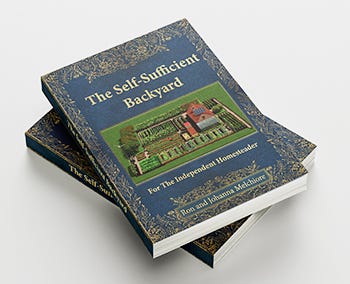
The Self Sufficient Backyard is a comprehensive digital guide and step-by-step blueprint created by Ron and Johanna Melchiore — a couple who have lived completely off-grid for over 40 years. Unlike generic homesteading books that offer scattered tips, this resource provides a systematic approach to turning any standard residential backyard into a functioning micro-farm that can produce food, water, and even energy.
The program covers six core modules: food production through raised beds and permaculture design, water harvesting and filtration, energy independence via solar and wind, animal husbandry for beginners, food preservation techniques, and emergency preparedness strategies. Each module builds on the previous one, creating a logical progression from complete beginner to competent homesteader.
The Melchiores don't just theorize — they draw from their real-world experience living without grid power, municipal water, or grocery store access for four decades. This practical knowledge makes The Self Sufficient Backyard stand apart from theory-heavy alternatives. The guide includes detailed diagrams, material lists, cost estimates, and seasonal calendars that help readers avoid expensive trial-and-error mistakes.
How The Self Sufficient Backyard Works Step by Step
Related Reading: The Self Sufficient Backyard: 5 Myths Hurting Your Results
The program follows a carefully sequenced methodology that prevents overwhelm. Instead of dumping all information at once, it guides you through progressive phases. Here's how the step-by-step system actually unfolds:
Step 1: Site Assessment and Planning
You begin by evaluating your specific property — soil type, sun exposure, drainage patterns, and available square footage. The guide provides printable worksheets to map your yard's microclimates and identify the best locations for gardens, animal enclosures, and water collection systems. This prevents the common mistake of placing a chicken coop where it gets too much afternoon sun or planting vegetables in areas with poor drainage.
Step 2: Soil Building and Garden Establishment
Next, you learn how to build fertile soil without expensive commercial amendments. The guide covers no-till gardening, composting techniques, and raised bed construction using repurposed materials. You'll discover how to create a self-sustaining soil ecosystem that produces nutrient-dense vegetables year after year without synthetic fertilizers. The section on companion planting helps maximize yield in small spaces.
Step 3: Water Independence Systems
Water is the backbone of any self-sufficient property. This module teaches you to calculate your household water needs, install rain collection systems, build simple gravity-fed filtration, and create swales that capture and direct water to your garden. The diagrams show exactly how to connect downspouts to storage barrels and how to create a first-flush diverter that keeps debris out of your drinking water supply.
Step 4: Animal Integration
Adding animals to your homestead requires careful planning. The guide covers chickens, ducks, rabbits, goats, and bees — explaining space requirements, housing designs, feeding schedules, and health considerations for each species. You'll learn which animals work best for small suburban lots versus larger rural properties, and how their waste products can fertilize your garden in a closed-loop system.
Step 5: Food Preservation and Storage
Growing food is only half the battle. This section teaches canning, dehydrating, fermenting, and root cellar storage methods that keep your harvest available through winter months. The seasonal calendar shows exactly when to plant, harvest, and preserve each crop variety. You'll also learn how to build inexpensive storage solutions that maintain proper temperature and humidity levels.
Step 6: Energy Systems and Emergency Preparedness
The final module covers renewable energy options appropriate for different budgets and locations. From basic solar panel setups for lighting and small appliances to complete off-grid systems, you get clear specifications and wiring diagrams. Emergency preparedness sections address water storage, first aid, tools, and communication plans for extended power outages or supply disruptions.
Unlock complete high-definition information and priority access packs that include all six modules with printable worksheets, detailed diagrams, and seasonal planting calendars.
Claim This Special Offer for The Self Sufficient Backyard →Concrete Benefits of The Self Sufficient Backyard
Users who implement the Melchiore's system report several tangible advantages. First, food costs drop dramatically — many households cut grocery bills by 60-80% within the first growing season. A well-planned 500-square-foot garden following their methods can produce over 600 pounds of vegetables annually, enough to feed a family of four with surplus to preserve.
Second, the system builds genuine resilience. When supply chain disruptions hit or extreme weather strikes, you're not left scrambling for essentials. Having stored water, preserved food, and alternative cooking methods means your household continues functioning normally while others face shortages. The confidence that comes from this preparedness is invaluable.
Third, the health benefits are substantial. Homegrown vegetables harvested at peak ripeness contain significantly more nutrients than store-bought produce that was picked weeks before ripening. You control exactly what goes into your soil, meaning zero pesticides or synthetic chemicals on your family's food. Fresh eggs from pastured chickens have higher omega-3 content and better flavor than factory-farmed alternatives.
Fourth, there's the satisfaction factor. There's something deeply fulfilling about eating a meal where every ingredient came from your own land. Many users report reduced stress, better mental health, and stronger family bonds from working together on meaningful projects. Children learn where food actually comes from and develop practical skills that serve them for life.
Honest Limitations You Should Know
Related Reading: Dice Dream Free Rolls: Complete Guide to Daily Rewards & How to Claim
No resource is perfect, and transparency matters. The Self Sufficient Backyard has several limitations worth considering. First, while the guide covers energy systems, it's not a substitute for licensed electrician advice on complex installations. For grid-tied solar connections or major electrical work, you'll still need professional consultation to meet local codes.
Second, the program assumes you have at least a quarter-acre of usable outdoor space. Apartment dwellers or those with tiny urban lots will find many modules less applicable. While you can adapt some principles for container gardening on a balcony, the full system requires ground space for gardens, animal housing, and water collection infrastructure.
Third, the digital format means you'll need to print worksheets and diagrams yourself. Some users prefer hardcover reference books they can flip through in the garden without worrying about device battery or screen glare. The program does offer printable PDFs, but it's not a traditional bound book.
Fourth, building a fully self-sufficient backyard requires physical labor and time investment. This isn't a weekend project — expect to spend several months implementing the complete system. Those with physical limitations or extremely busy schedules may need to scale back their ambitions or hire help for heavy tasks like building raised beds or installing rainwater tanks.

The Self Sufficient Backyard vs. Alternatives: Comparison Table
How does this program stack up against other popular homesteading resources? We've compared the key factors that matter most for beginners and experienced gardeners alike.
As the comparison shows, The Self Sufficient Backyard offers the most comprehensive package for those seeking a true end-to-end system rather than scattered information. While YouTube offers free content, it lacks the structured progression and coordinated planning sheets that prevent costly mistakes. Traditional books provide solid foundational knowledge but miss the emergency preparedness and detailed cost breakdowns included here.
Who Is The Self Sufficient Backyard For?
Related Reading: Best IPTV Subscription Guide: How to Choose & Get Started in 2025
This program isn't for everyone, and that's okay. Here are the specific user profiles who will benefit most:
Suburban homeowners with yard space: If you have a typical quarter-acre lot, this guide shows exactly how to maximize every square foot. You can produce a significant portion of your family's food without turning your property into an eyesore or violating HOA rules (the guide specifically addresses working within neighborhood restrictions).
Complete beginners feeling overwhelmed: The structured module system prevents the paralysis that comes from information overload. You follow one phase at a time, building skills progressively. The Melchiores assume zero prior knowledge and define every term clearly.
Budget-conscious families: With grocery inflation running at historic highs, the initial investment in garden supplies and animal housing pays for itself within one or two seasons. Many materials can be sourced for free or cheap using the guide's repurposing suggestions.
Preppers and emergency-minded individuals: If you're concerned about supply chain vulnerabilities or natural disasters, the self-sufficient backyard provides practical food security. You're not reliant on stores being stocked or delivery trucks running.
Sustainability advocates: Reducing your carbon footprint by growing food locally, harvesting rainwater, and composting kitchen waste aligns with environmental values. The closed-loop systems taught in this program minimize waste and external inputs.
This program is less suited for: Apartment dwellers without outdoor access, people unwilling to do physical work, those seeking instant results, and individuals who prefer consuming content passively rather than implementing projects.
How to Get Started: Practical Numbered Steps
Ready to begin your journey? Follow these actionable steps to start building your self-sufficient backyard today:
- Download or access The Self Sufficient Backyard through the secure link below. Make sure you have the full digital package including all printable worksheets and diagrams before starting any ground work.
- Complete the site assessment worksheet from Module 1. Spend a weekend walking your property, taking notes on sun patterns, drainage issues, prevailing winds, and existing vegetation. Sketch your yard to scale on graph paper.
- Set a realistic timeline and budget. The guide includes sample budgets for different property sizes. Start with the food production module first — it provides the fastest return on investment. Plan to spend 4-6 hours per week during peak growing season.
- Order seeds and materials for your first raised beds. Focus on high-yield, beginner-friendly crops like tomatoes, zucchini, beans, lettuce, and herbs. The guide's planting calendar tells you exact timing based on your USDA hardiness zone.
- Build your first raised bed or container garden. Use the detailed construction diagrams in the guide. Start small — even a single 4x8 foot bed can produce significant food. Expand only after you've mastered the basics.
- Set up your water collection system. Rain barrels are the easiest starting point. The guide shows how to calculate roof catchment area and storage needs. Even one 55-gallon barrel per downspout makes a difference during dry spells.
- Begin composting immediately. Start a simple bin or pile using kitchen scraps and yard waste. The guide's composting chapter explains hot versus cold composting methods and how to achieve the right carbon-to-nitrogen ratio.
- Join the community and track your progress. Most buyers get access to supplementary resources and updates. Take photos weekly to see your progress and refer back to the troubleshooting sections when problems arise.
Final Subscription Window:
Get The Self Sufficient Backyard Today →Affiliate Disclosure: Clicking this secure link verified by our network supports our team through standard partnership terms at zero extra cost to your invoice.
Frequently Asked Questions
1. Is The Self Sufficient Backyard worth it for a complete beginner?
Yes, absolutely. The program is specifically designed for people with no prior homesteading experience. The Melchiores explain every concept from the ground up, define all terminology, and provide step-by-step instructions that prevent overwhelm. Many users report that the structured module system gave them the confidence to start projects they would have considered impossible before. The printable checklists also help you stay organized and track your progress.
2. How much does The Self Sufficient Backyard cost and is there a subscription?
The program is a one-time purchase with no recurring subscription fees. You receive lifetime access to the digital content including all future updates and additions. The price is significantly lower than hiring a permaculture consultant or taking multiple homesteading courses, and most users recoup the investment through food savings within the first growing season. Current pricing can be checked through the official link above.
3. What is the best self sufficient backyard guide for small suburban lots?
For properties under half an acre, The Self Sufficient Backyard is arguably the best choice because it specifically addresses space optimization strategies. The guide covers vertical gardening techniques, compact animal housing designs, and zoning methods that maximize productivity in limited square footage. It also includes tips for working within homeowners association restrictions, which many competing guides ignore entirely.